Quick Summary
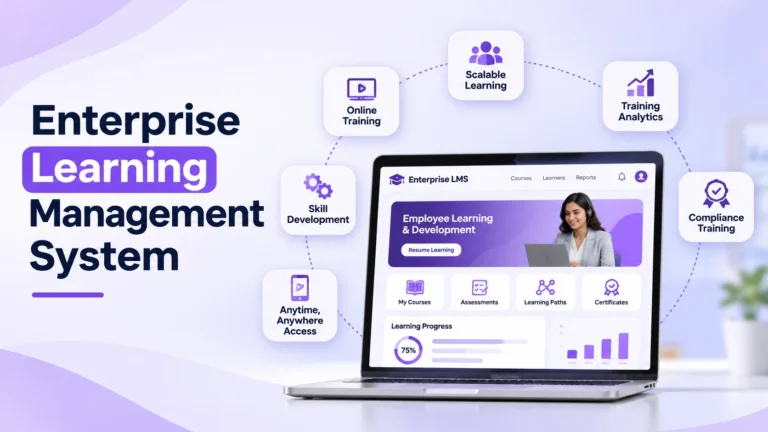
Learning management systems are evolving with AI, personalised learning, automation and data-driven insights. This blog covers 10 key LMS trends shaping corporate training, including adaptive learning, microlearning, mobile learning, immersive technologies, gamification, skills-based learning and enterprise integrations. These trends help businesses improve employee engagement, streamline training management and build a future-ready workforce.
Stratbeans supports modern corporate learning through AI-powered LMS, personalised learning, microlearning, gamification and custom eLearning solutions.
Corporate learning is changing faster than most training teams can keep up. Employees expect learning experiences as simple as their favourite apps, while leaders expect proof that training programs improve performance. That gap is pushing businesses to rethink their platforms, and understanding learning management system trends is now part of any serious L&D strategy.
This blog covers the future of learning management systems, the ten learning management system trends worth watching, and what to look for when choosing a platform built for the road ahead.
How Modern LMS Platforms Are Redefining Corporate Training
Traditional LMS platforms hosted courses, assigned them and recorded completions. Modern learning technologies act more like ecosystems. They recommend content, adapt to each learner, connect with business systems and report on skills rather than attendance. An LXP layer adds discovery and self-directed growth, while performance-centered learning places support inside the flow of work.
For BFSI, manufacturing and automotive, where compliance, safety and speed to competence matter, this shift is significant. The latest learning management system trends in the fast-growing e-learning market all point one way: AI-native learning and development that is personal, data-driven and part of daily work.
Top 10 Learning Management System Trends Shaping the Future Learning
Here are the learning management system trends that will define the next few years.
1. AI-Powered LMS and Personalised Learning
Generative AI is the biggest force among current learning management system trends. An AI-powered LMS recommends courses, supports content creation, tags assets and flags learners who are falling behind. AI-enabled platform capabilities such as AI tutoring and automated feedback replace one-size-fits-all catalogues with personalised paths. A clear validation process for AI output keeps quality high.
2. Adaptive Learning Based on Employee Skills and Performance
Adaptive learning adjusts difficulty, sequence and format as a learner progresses. Someone who already knows a topic moves ahead, while someone struggling gets extra practice. The result is shorter training time and stronger retention. Sound instructional design still matters, because adaptive logic is only as good as the content behind it.
Modernise Employee Training with Stratbeans LMS
Book a Demo3. Microlearning and Just-in-Time Training
Employees rarely have an hour to spare. Microlearning delivers focused lessons of two to five minutes, often at the moment of need, such as before a client call or a machine changeover. Future-ready platforms will treat bite-sized content as a core format, not an add-on to instructor-led training.
4. Mobile-First Learning and Greater Accessibility
Frontline, field and distributed teams learn on their phones. Mobile learning, offline access, multilingual content and assistive technologies make smart education and learning reachable for everyone. Accessibility is now a baseline expectation in modern learning management system trends.
5. Learning Analytics and Predictive Insights
Completion rates no longer satisfy leadership. Workforce capability measurement links training to performance, shows engagement patterns and predicts where skills gaps or compliance lapses may appear. Data literacy within L&D teams helps them act on these insights and justify corporate learning budgets.
6. Immersive Learning Through AR, VR, and Simulations
Augmented reality, virtual reality and scenario-based simulations let employees practise high-risk tasks safely, from equipment handling on a shop floor to a tough customer conversation in a bank. Simulations also enable authentic assessment, since learners show what they can do rather than what they remember.
7. Gamification and Social Learning
Gamification through points, badges, leaderboards and real-time gamified assessments makes learning competitive and fun. Peer communities and coaching conversations add a social layer that builds soft skills and human skills, lifting engagement among younger employees in particular.
8. Automated Training Administration and AI Assistants
AI agents take over enrolments, reminders, certifications and reports, while assistants answer questions instantly from policies and manuals. The same approach supports customer education and customer service teams. Any agentic project needs responsible AI governance, human oversight and strong data protection.
9. Skills-Based Learning and Continuous Workforce Development
Job roles change quickly, so organisations are moving from course-based to skills-based development. Platforms map skills, expose gaps and suggest learning for upskilling, reskilling and leadership development. Learning professionals can then make growth a continuous habit instead of a yearly event.
10. Integration of LMS with HRMS and Enterprise Systems
A standalone LMS creates data silos. Integration with HRMS, performance tools and messaging channels such as WhatsApp brings learning into daily workflows. Technology leaders also expect cloud deployment, secure connection standards and a clean data estate, so that digital infrastructure supports one connected view of capability.
Why Emerging LMS Trends Matter for Modern Businesses
Following learning management system trends is about business outcomes, not technology for its own sake. Organisations that adopt them typically see:
- Faster onboarding and quicker time to competence
- Higher learner engagement and completion
- Stronger risk management, including readiness for anti-money laundering and customer due diligence training in BFSI
- Better visibility into skills gaps and lower third-party risk through tracked partner training
- Lower administrative effort for L&D teams
With cyber threats rising, learning platforms must also protect employee and company data. In a market where talent is scarce and skills age quickly, a platform that keeps pace with these tech trends becomes a competitive advantage.
Key Features to Consider When Choosing a Future-Ready LMS
With so many learning management system trends in play, look for a platform that offers:
- AI-driven recommendations, content support and assistants
- Adaptive, skills-based learning paths
- Mobile access, microlearning and multilingual support
- Gamification and real-time gamified assessments
- Deep analytics and reporting
- Open integrations with HRMS and enterprise tools
- Cyber defense, data protection and compliance tracking
- Responsible AI governance and human oversight
- Support for custom e-learning and an LXP experience
- Reliable implementation and ongoing support
Modernising Corporate Training with Stratbeans Learning Solutions
Stratbeans Learning Solutions helps enterprises put these learning management system trends into practice. LMS, its AI-powered learning platform, brings personalised learning, automation, analytics and integrations together in one place.
It works alongside Smart Content Library for ready-to-use content, Real-Time Gamified Assessments for engaging evaluation, and Bytecasting, which delivers 30-second videos and capsule summaries on WhatsApp. ASK AI adds an enterprise knowledge assistant that gives source-cited answers from SOPs, policies and manuals.
As the exclusive Articulate 360 and Vyond partner in India and UAE, Stratbeans also builds custom e-learning and video content, so platform and content come from one trusted partner.
Bring Smarter Learning Experiences to Your Workforce
Book a DemoFAQs
1. What is the future of learning management systems?
It is AI-driven, mobile-first and skills-focused, with personalised paths, predictive analytics and deep integration with enterprise systems.
2. What are the latest trends in learning management systems?
The latest learning management system trends include AI personalisation, adaptive learning, microlearning, mobile access, analytics, immersive learning, gamification, automation, skills-based learning and HRMS integration.
3. How will AI automation simplify learning and development management?
AI automates enrolments, reminders, reporting and content tagging, and answers learner queries instantly, freeing L&D teams to focus on strategy.
4. How will LMS platforms support employee upskilling and reskilling?
They map current skills, identify gaps against role needs and recommend targeted learning as roles evolve.
5. What role will microlearning and mobile learning play in future LMS platforms?
They will be central. Short, mobile-ready lessons fit busy schedules and reach frontline teams at the moment of need.
6. How will AR and VR improve employee training outcomes?
They let employees practise risky or complex tasks in realistic, safe settings, improving confidence, retention and on-the-job performance.
7. What should businesses look for when choosing a future-ready LMS?
Look for AI capabilities, adaptive learning, mobile access, analytics, gamification, open integrations, strong security and dependable support.