
Table of contents
Overview
Education is a constant and evolving process that has undergone a massive transformation over the decades. What began as a traditional classroom model has metamorphosed into an instant, self-driven, and mobile experience. In India, the journey of education has reached a significant milestone with the rise of e-learning. Driven by rapid internet connectivity and a strategic need for continuous employee development, e-learning is no longer just a convenience it is the future of the Indian business landscape.
A Paradigm Shift in Education
While Einstein’s words may have been intended in good humor, they aptly reflect the fact that effective education is constant and always evolving. In fact, the face of education has experienced a sea change over the decades. Once characterized by the traditional classroom model, education has metamorphosed into learning that is instant, online, self-driven and on the go. The journey of education in India, too, has been dotted with innumerable milestones. The most recent among these is e-learning. e-Learning has a promising future in the business context in India.
The Connectivity Catalyst
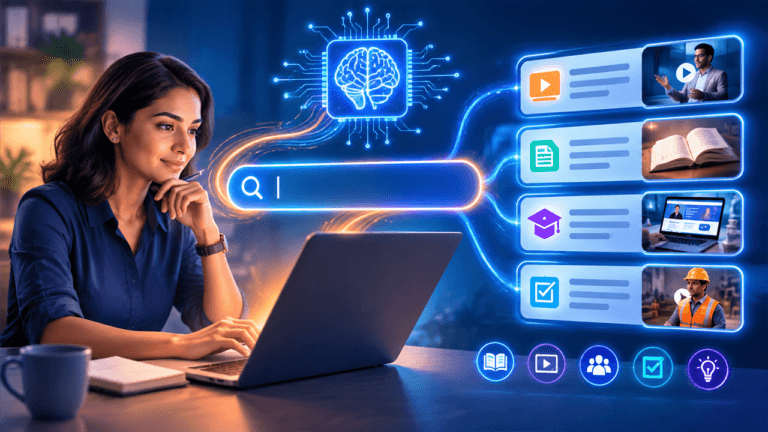
The rapid increase in internet connectivity has been an important catalyst for the growth of e-learning. This is what enables e-Learning promising a new future of learning. A robust internet ecosystem, with a multitude of local and global players, will help online learning make further inroads. Indian companies are adopting e-learning platforms as continuous employee learning has become a strategic necessity.
Global Market Trends and Potential
With the number of internet users in India expected to reach 250 million, rivaling the US and second only to China, India’s potential as a huge market for e-learning is enormous. A large number of new users are accessing the internet for the first time from their smart-phones, which is an ideal, personalized and commerce-enabled platform for e-learning software development.
Market Projections and Regional Growth
As per the Docebo report issued in July 2014, the worldwide market for self-paced e-learning reached $35.6 billion in 2011. The five-year CAGR is estimated to be 7.6%, so revenues should reach $51.5 billion by 2016. While the aggregate growth rate is 7.6%, several world regions have higher growth rates:
- Asia: 17.3% (Highest growth rate)
- Eastern Europe: 16.9%
- Africa: 15.2%
- Latin America: 14.6%
The Unique Advantages of Digital Learning
E-learning brings unique advantages. The prominent being the ability to provide personalized attention to all students. In a conventional set-up, this is only possible when a highly skilled tutor offers one-to-one tutorials. However, considering that most institutions have a classroom-based set-up, such attention becomes difficult.
Another advantage is people living in smaller towns and cities can get access to the best possible learning resources from across the world, at a very affordable price. This helps create a level-playing field.
Core Deliverables
All these platforms together make E-learning an effective system of training:
- Live instruction
- Video Content Delivery
- Student-to-Student interaction (video conferencing)
- Remote test administration
- Up-to-date materials
- Self-learning
Future Outlook and Innovation
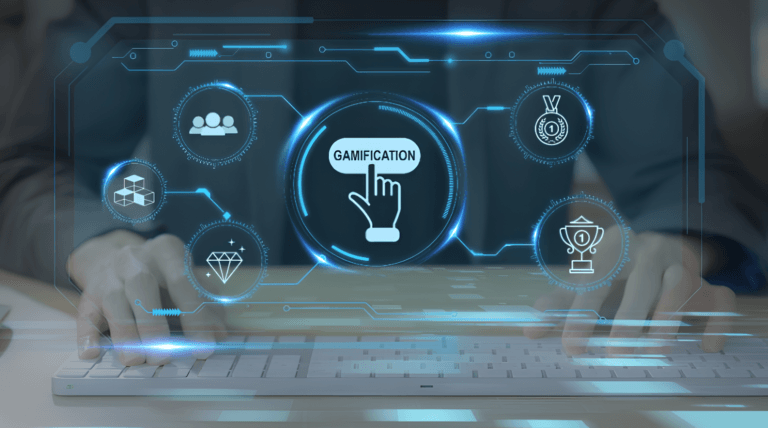
All these platforms together make E-learning an effective system of Training in various organizations. Elearning has had a high growth rate over the past few years and is expected to grow in the similar manner in future. The Annual worldwide growth rate over the period 2012-2016 has been 7.9% and value of Worldwide E-Learning Market by 2016 is expected to reach $51.5B. So, with this forecasts, we can say that E-learning is the future of learning, which is going to be incorporated in different organizations. Also, there are going to be nice new innovations in this area. So, the industries can expect more innovative formats like the existing mobile learning, game based learning and Offline learning.
FAQ
Q:Why is India considered the next big market for e-learning?
A:With internet users rivaling the US and a massive surge in smartphone adoption, India offers a vast, untapped audience. This mobile-first population provides the perfect environment for personalized, app-based learning software development.
Q:How does e-learning solve the “classroom size” problem?
A:In traditional classrooms, one-to-one attention is nearly impossible. E-learning platforms use software to provide personalized feedback and adaptive learning paths, mimicking the benefits of a private tutor for thousands of students simultaneously.
Q:What role do smartphones play in this growth?
A:Smartphones act as a commerce-enabled and highly personal gateway. For many new users in India, the phone is their primary computer, making it the most effective tool for delivering “on the go” training and self-paced courses.
Final Thoughts
The transition toward digital education is a global phenomenon, but its impact in India is particularly profound. By democratizing access to world-class resources, e-learning is closing the gap between urban centers and smaller towns. As we look toward the future, the integration of gamification, mobile-first design, and offline capabilities will ensure that learning remains constant, evolving, and above all, accessible to everyone. The milestones we see today are just the beginning of a sea change in how the world acquires knowledge.